
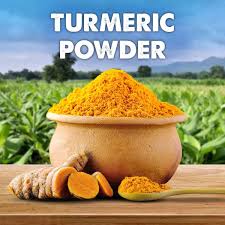
Turmeric, often called the golden spice, has been a cornerstone of Indian kitchens and traditional medicine for thousands of years. Beyond its warm color and earthy flavor, turmeric owes its health-promoting reputation to curcumin, a powerful bioactive compound that has been widely studied by modern science. Today, turmeric bridges ancient wisdom and contemporary research, earning its place as a global superfood.
Here are 10 science-backed health benefits of turmeric that explain why this humble spice deserves special attention.
1. Powerful Anti-Inflammatory Properties
Chronic inflammation is linked to conditions such as heart disease, arthritis, diabetes, and cancer. Curcumin has been shown to inhibit inflammatory pathways in the body, making turmeric one of nature’s most effective natural anti-inflammatory agents.
2. Rich in Antioxidants
Turmeric is packed with antioxidants that help neutralize harmful free radicals. Curcumin not only scavenges free radicals but also boosts the body’s own antioxidant enzymes, offering double protection against oxidative stress.
3. Supports Joint Health and Arthritis Relief
Studies suggest that curcumin can help reduce joint pain, stiffness, and swelling, particularly in people with osteoarthritis and rheumatoid arthritis. In some cases, turmeric supplements have shown effects comparable to conventional pain relievers—without the same side effects.
4. Boosts Brain Health and Memory
Curcumin may increase levels of brain-derived neurotrophic factor (BDNF), a protein linked to improved memory and learning. Low BDNF levels are associated with depression and Alzheimer’s disease, making turmeric a promising ally for brain health.
5. Promotes Heart Health
Heart disease remains a leading cause of death worldwide. Curcumin helps improve the function of the endothelium (the lining of blood vessels), reduces inflammation, and combats oxidative damage—key factors in maintaining a healthy heart.
6. Aids Digestion and Gut Health
Turmeric has long been used to support digestion. It stimulates bile production, helps reduce bloating, and may soothe symptoms of indigestion and irritable bowel conditions when used appropriately.
7. Strengthens the Immune System
With its anti-inflammatory, antimicrobial, and antioxidant properties, turmeric supports the immune system. Regular consumption may help the body defend itself against infections and seasonal illnesses.
8. Helps Regulate Blood Sugar Levels
Research indicates that curcumin may improve insulin sensitivity and help regulate blood sugar levels. This makes turmeric potentially beneficial for people with type 2 diabetes or those at risk, when used as part of a balanced lifestyle.
9. Supports Skin Health and Wound Healing
Turmeric’s antibacterial and anti-inflammatory properties make it beneficial for skin health. Traditionally used for cuts, burns, and acne, modern studies support its role in wound healing and improving various skin conditions.